هذه الجلسة ناقشت أحد أهم أدبيات الجماعات الجهادية التي برزت في السبعينيات من القرن الماضي، وهو كتيب الفريضة الغائبة للمهندس الكهربائي المصري محمد عبد السلام فرج، والذي أَعدم عام 1982 بتهمة كونه منظّر المجموعة الجهادية التي قامت باغتيال الرئيس المصري الأسبق أنور السادات. الجلسة ناقشت أيضاً الصلة بين التطرف الجهادي وبعض التخصصات الجامعية كالهندسة. فبحسب إحدى الدراسات، يبلغ احتمال أن يلتحق خريج هندسة بجماعة جهادية 17 ضعف المعدل المتوسط. الجلسة تناولت إلى جانب ذلك تنظيم حزب الله الذي جمع بين الجهاد والنشاط السياسي والاجتماعي، كما تناولت أيضاً أدوار الدول الغربية والأنظمة العربية في دعم الجماعات الجهادية بشكل مباشر أو غير مباشر. أخيراً عرضت الجلسة أحد التفسيرات المنتشرة في الغرب لظهور التطرف الجهادي، ألا وهي نظرية “صدام الحضارات” التي جاء بها المستشرق المعروف برنارد لويس.
في هذه الجلسة نناقش كتابات تعود لشخصيتين فكريتين عربيتين من “الوزن الثقيل”: وهما الفيلسوف السوري صادق جلال العظم (والذي توفي منذ أشهر قليلة في برلين) والشيخ المصري-القطري يوسف القرضاوي. النص الأول يعود للعظم ومأخوذ من كتابه الشهير نقد الفكر الديني ويتعلق بـ “معجزة” ظهور مريم العذراء فوق إحدى كنائس القاهرة عام 1968، فيما النص الثاني مأخوذ من كتاب القرضاوي الإسلام والعلمانية وجهاً لوجه ويتناول فيه جوانب مختلفة من العلمانية بالنقد. القسم الأخير يعلّق بشكل مقتضب على حوار بين القرضاوي والعظم ضمن برنامج الاتجاه المعاكس على قناة الجزيرة.
تدور هذه الجلسة من السيمنار حول نشوء القومية العربية وعلاقتها بالفكر الإصلاحي الإسلامي وأيضاً بالنظريات القومية الأوروبية. تتناول الجلسة ثلاثة نصوص لبسام طيبي، وسي إرنست دون، وعزيز العظمة—كل منها يقدم “نسباً” مختلفاً للقومية العربية وكيفية تفاعلها مع تلك التيارات.
تدور هذه الجلسة حول الظروف التي أدت إلى صعود الأصولية الإسلامية، فتتناول كتابات سيد قطب المؤثرة في هذا المجال، وتحول الإخوان المسلمين—كبرى حركات الإسلام السياسي في العالم العربي—من السلفية الإصلاحية إلى الوهابية، بالإضافة إلى نص من عزيز العظمة يلقي الضوء على السياق العالمي (أيديولوجياً وسياسياً وثقافياً) لهذا الصعود.
هذه الجلسة تتناول قضية الخلافة من وجهتي نظر مختلفتين تماماً، الأولى لعلي عبد الرازق الذي قال بأنها مؤسسة سياسية لا دينية، والثانية لتقي الدين النبهاني، مؤسس حزب التحرير، الذي اعتبر قيامها فرضاً على المسلمين جميعاً. المحاضرة ستتناول نشوء الطائفية في سوريا ولبنان في النصف الثاني من القرن التاسع عشر أثناء الحكم العثماني، وفي فترة الانتداب الفرنسي.
تتناول هذه الجلسة أولى التيارات الفكرية العربية التي برزت كاستجابة للحداثة الأوروبية، التيار الأول تيار النهضة (بشقيه السياسي والثقافي) ذي التوجه الحداثي، فيما تشكل الإصلاحية الإسلامية التيار الآخر. تركّز هذه الجلسة على أبرز وجوه وأسس هذين التوجهين الفكريين، كما تتناول المناظرة بين محمد عبده وفرح أنطون مثالاً على مقاربتهما المختلفتان للإصلاح الاجتماعي والسياسي.
الغاية من هذه الجلسة تقديم لمحة تاريخية عن (بعض) البلاد العربية خلال القرنين الثامن والتاسع عشر، في ظل المحاولات الإصلاحية في السلطنة العثمانية من أجل تحديث الدولة واللحاق بركب الدول الأوروبية، والتي كان لها أثر هام في بروز الفكر العلماني فضلاً عن الإصلاح الديني في العالم العربي. الجزء الثاني من الجلسة (المحاضرة) تناول مصطلح “العلمانية” في اللغة العربية والجدل الفكري واللغوي الذي يثيره.
أقوم حالياً بإدراة حلقة دراسية (سيمنار) في معهد الدراسات الشرقية بجامعة لايبتزغ (ألمانيا) حول الدين والعلمانية في العالم العربي، الحلقة تتألف من ثلاثة عشر جلسة سيتم خلالها تغطية جوانب ومراحل تاريخية مختلفة من هذا الموضوع المتشعب والشائك جداً، سأقوم خلال الأسابيع المقبلة بنشرملخص أسبوعي لكل جلسة يتضمن لمحة عن النصوص المقررة والمحاضرة التي تم إلقاؤها (من قبلي أومن قبل أحد الطلاب) بالإضافة إلى النقاط التي تم طرحها خلال النقاش. الغاية من هذه الملخصات أن تشكّل نواة لمشروع إلكتروني أكبر عن العلمنة باللغة العربية.
I wrote a draft of this post two years ago (March 2015) in my notebook, but only now that I have edited it and posted it online. I have avoided making any substantial changes, so that it remains true as much as possible to my thoughts back then.
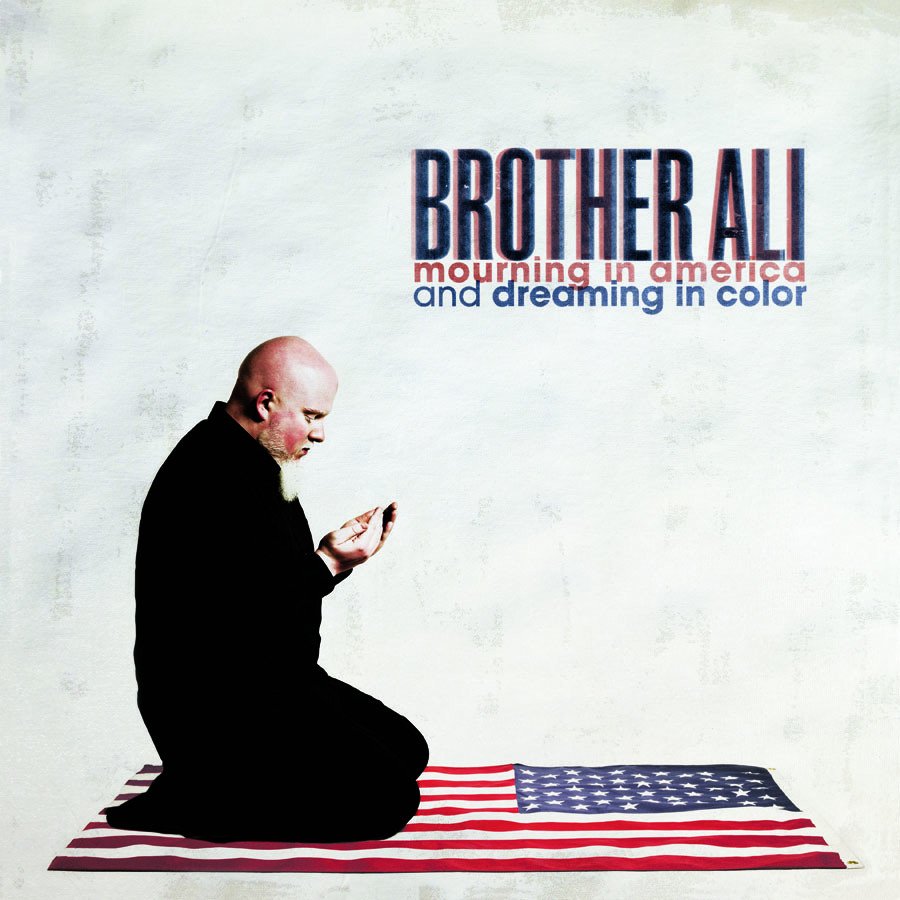
Album cover of Borther Ali’s Mourning in America: Dreaming in Color – one of my first favorite hip hop albums.
Those who know me personally or have read some of my posts here (Oriental(ist) Metal Music or “Is God really Dead?”) know me as a dedicated heavy metal fan. For 15 years, almost half my life, I listened almost exclusively to heavy metal music (along with few hard and progressive rock bands). I have also been a dedicated concert-goer, sometimes travelling to other countries just to attend a metal band I like. Heavy metal was in fact more than just music for me. It was, for most of these 15 years, an identity and an influence on the way I think and behave. I even wrote my MA thesis, back in 2010, about heavy metal in Syria and for a while I was thinking about doing a PhD in this field. As a faithful metalhead I looked down at all other styles of music, especially hip hop, and bragged how heavy metal surpassed it in sophistication, authenticity, anti-commercialism, and fan-dedication. In fact, two months ago, I would not have been able to name 10 hip hop songs, and if you asked my what was your favorite hip hop song, I would have said Gay Fish.
So after all that to turn to hip hop within less than two months came as a surprise to me personally before anyone else. So I have spent the past two weeks reflecting on this “radical” change and trying to understand how come it ever happened and why hip hop and not any other style of music. What has changed in my life or my environment that helped make this transformation? I will try in this post to give some answers to these questions.
Earlier this year, on a cold January morning, I was walking around in the snowy streets of Stockholm, not sure how to spend the few hours before the departure of my bus on an 18-hour journey to the far north of Sweden, when I came across a big brown church in a side street near the main train station. Being interested in religion, I decided to walk in and have a look in order to get an impression of Swedish churches.
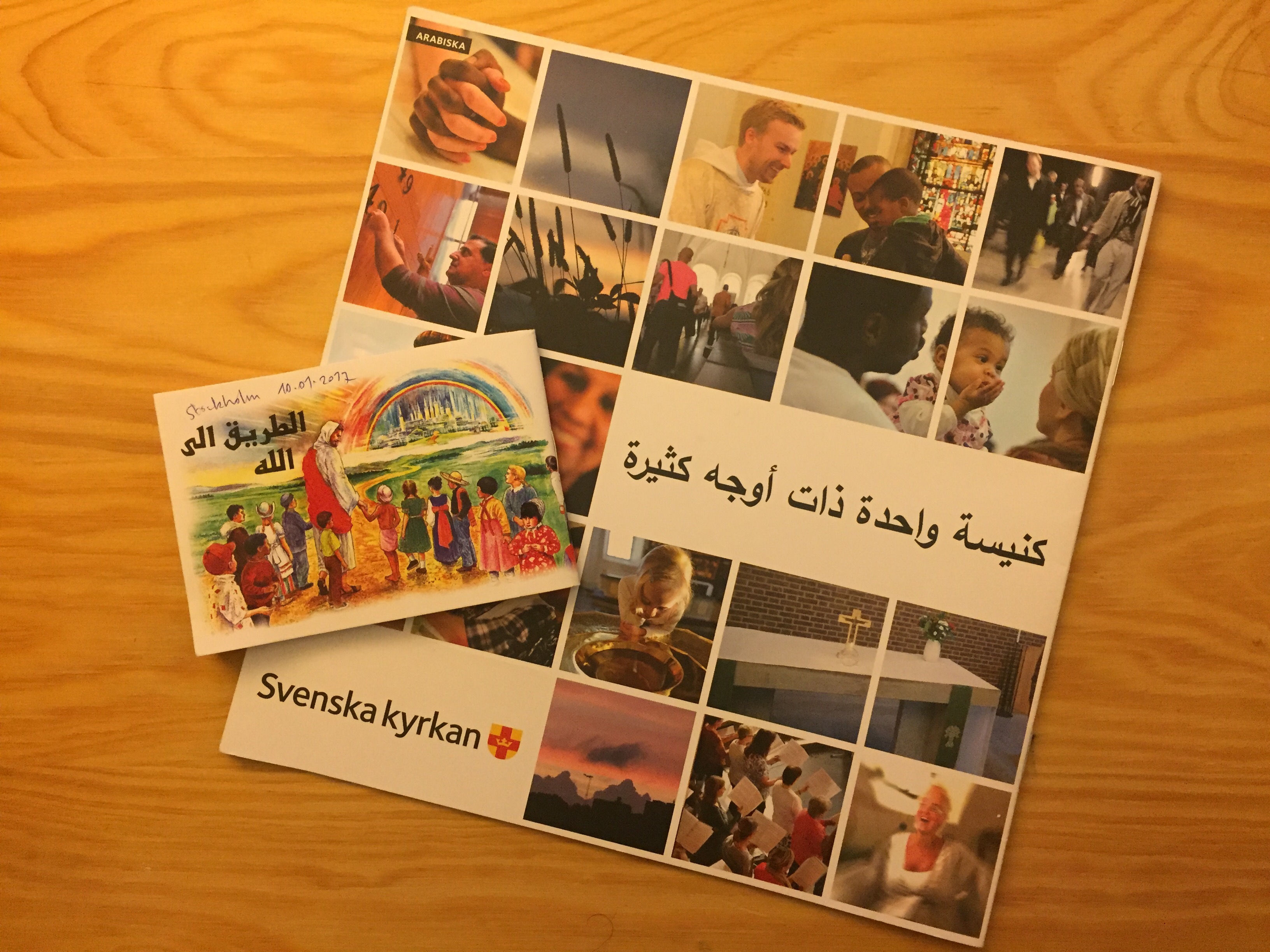
Two different Christianities in two booklets
When I went in, which was few minutes after it had opened its doors to visitors, there were already 5 or 6 people inside. Some of them seemed to be homeless people who spent the night inside protected from the freezing cold. They wore rough clothes and had blankets and mats with them. There were also two people praying and another person sitting near the door, who, I assume, work for the church.


 Religion, Culture, Society